
Phone: +86 15398058207
E-mail: sales@blisspak.com
Add: Room 603 Building C, The Huixin Center, Zhangba One Road, Yanta Zone, Xi'an City, Shaanxi Province, China
What Materials Are Used in Vacuum Forming?
Vacuum forming is a versatile manufacturing process used to shape thermoplastic materials into durable and visually refined components. By heating a plastic sheet and forming it over a mold using vacuum pressure, the process delivers accurate shapes with consistent quality.
Known for its efficiency and design flexibility, vacuum forming enables the cost-effective production of a wide range of products, from protective housings to custom panels. Its adaptability in both design and material selection makes it a widely used solution across many industries.
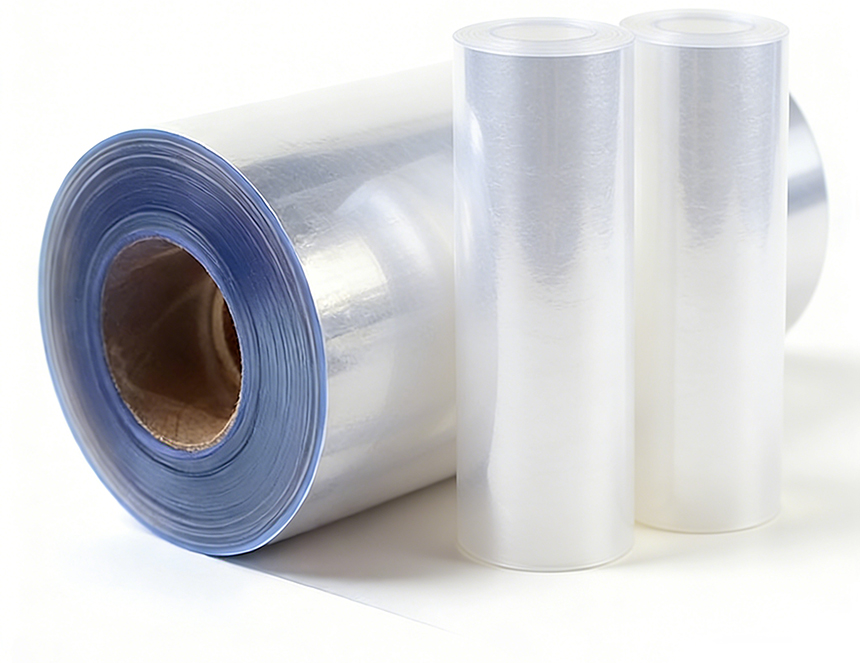
A wide variety of plastics can be used for vacuum forming, each offering specific properties that make it suitable for different applications. Factors such as strength, flexibility, appearance, and durability all play an important role in selecting the right material.
Most materials used in vacuum forming and injection moulding are thermoplastics. These materials can be heated, shaped, and moulded repeatedly without losing their core properties, making them highly versatile for manufacturing.
This vacuum forming material selection guide introduces the most commonly used plastics, outlining their key characteristics, typical applications, and general cost considerations to help you choose the most suitable material for your project.
PVC is a versatile plastic widely used in thermoforming. By adding different additives to the base material, PVC can be produced in both flexible and rigid forms, making it suitable for a wide range of applications—from thin sheets to durable structural components. It is also valued for its cost-effectiveness and adaptability across many industries.
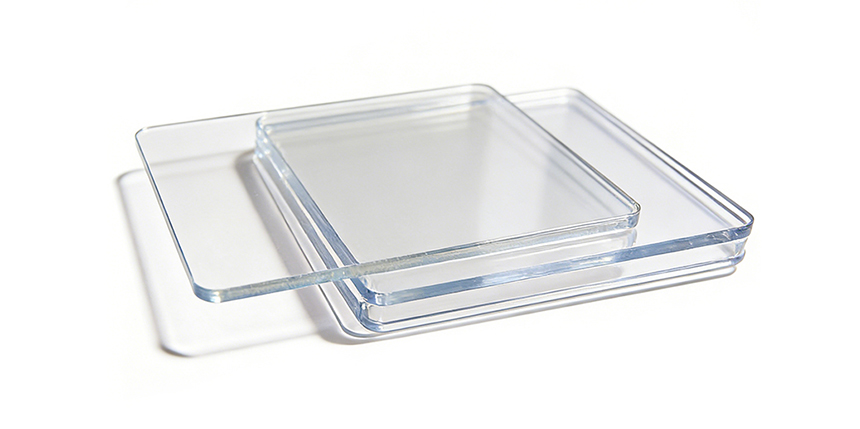
PP is a lightweight and flexible thermoplastic known for its excellent chemical resistance and fatigue resistance. It performs well in applications requiring durability and repeated bending. PP is commonly used for food containers, packaging trays, and industrial components.
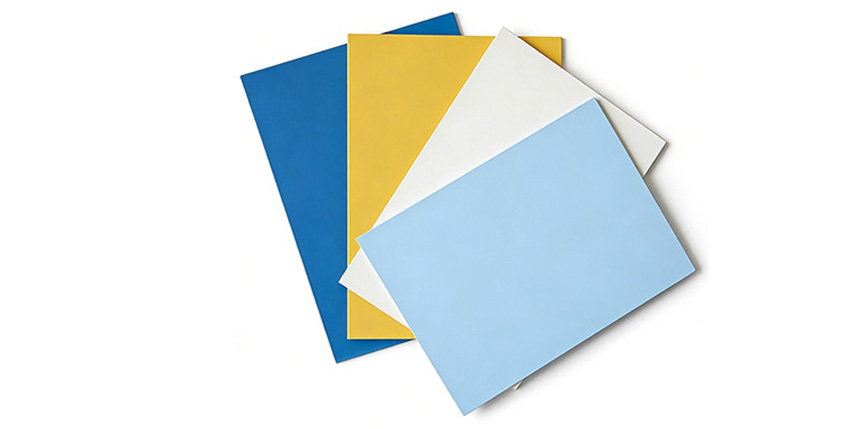
PS is a lightweight and versatile plastic widely used in packaging and consumer products. Valued for its clarity and rigidity, it offers excellent product visibility while remaining a cost-effective material option. Typical applications include clear food containers, disposable cups, and protective packaging inserts.
PS is easy to thermoform and can be efficiently produced in a wide range of shapes, making it ideal for high-volume manufacturing and everyday packaging solutions.
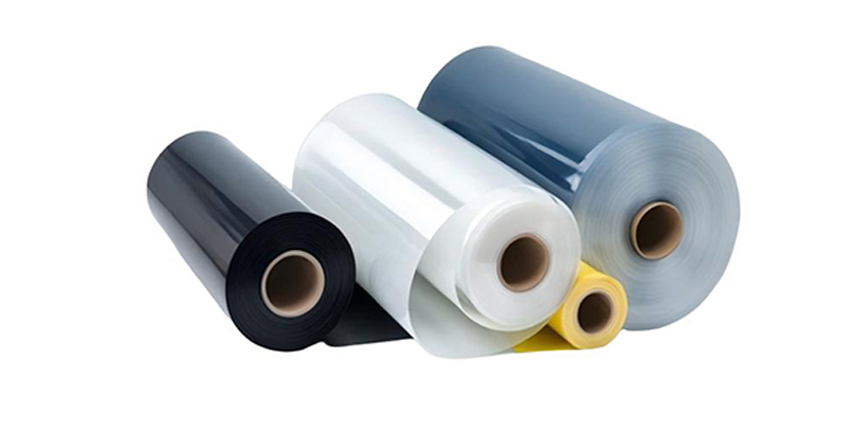
Polyethylene Terephthalate(PET)
PET is a strong and lightweight material offering good clarity, durability, and recyclability. It also provides good barrier properties against moisture and gases.As expectations around sustainability grow, PET's well established recyclability adds a layer of future ready value to projects.
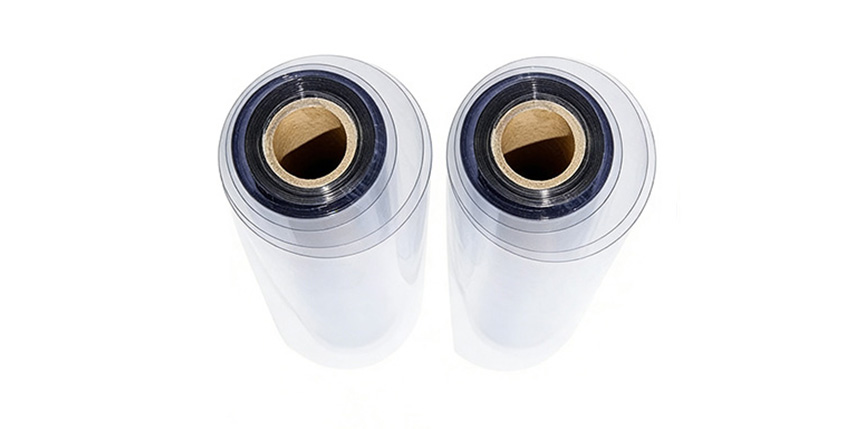
Amorphous Polyethylene Terephthalate(APET)
APET is a clear and rigid plastic that offers excellent transparency and good impact resistance. It is easy to thermoform and provides a high-quality surface finish. As a material, it is also valued for its food-contact compliance and full recyclability, positioning it as a versatile and responsible choice for creating durable, premium quality packaging solutions.
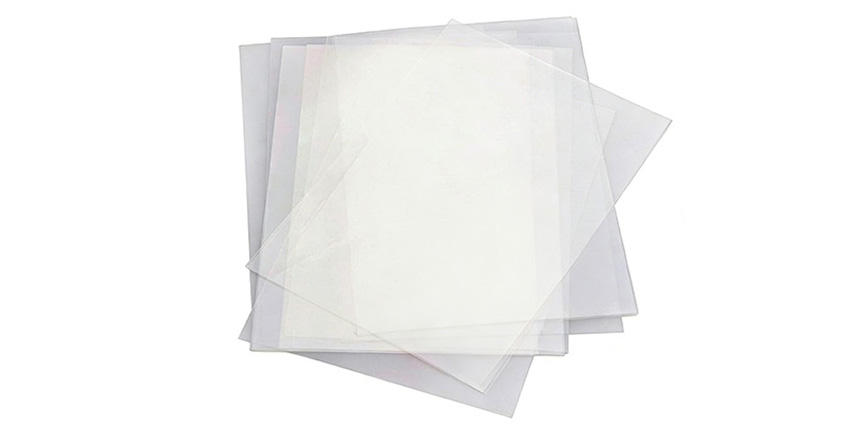
Crystallized Polyethylene Terephthalate(CPET)
CPET is designed for high-temperature applications and offers excellent heat resistance. This material offers several practical benefits. It maintains its shape and strength even at high temperatures, provides a stable base for food presentation, and can be formed into various tray designs.It can withstand both freezing and oven temperatures, making it suitable for ready-meal packaging.
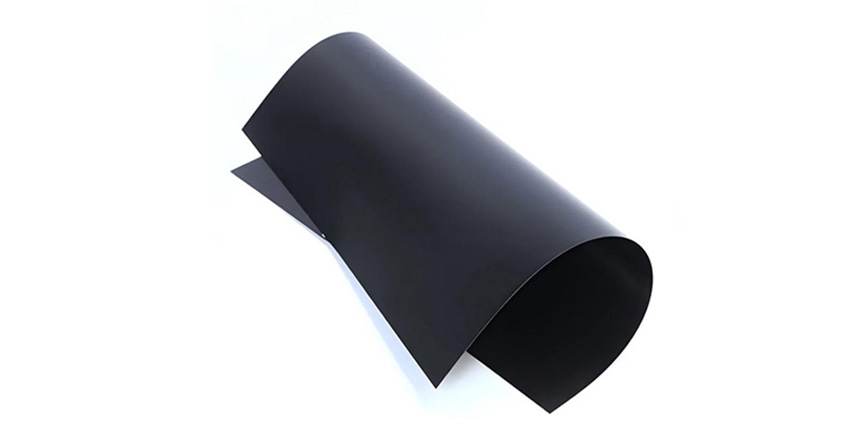
PLA is a biodegradable and bio-based plastic derived from renewable resources such as corn starch or sugarcane. It offers good clarity and is suitable for environmentally conscious packaging solutions. The PLA we supply meets industry standards for compostable plastics, ensuring it performs reliably in your packaging projects.
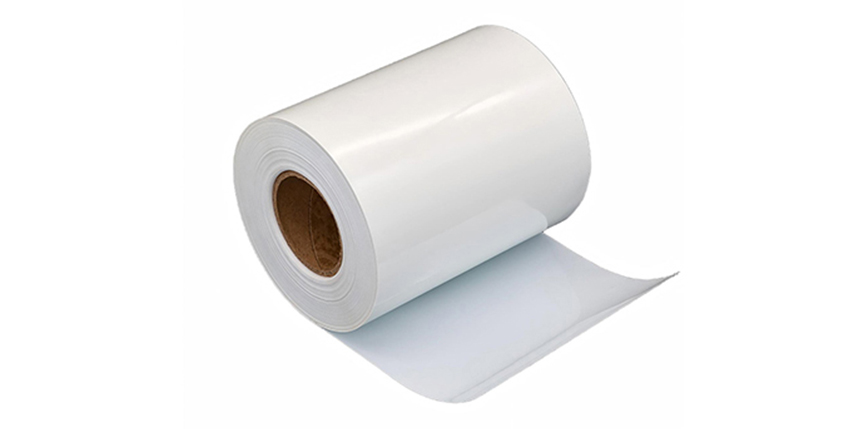
Polyethylene Terephthalate Glycol-Modified (PETG)
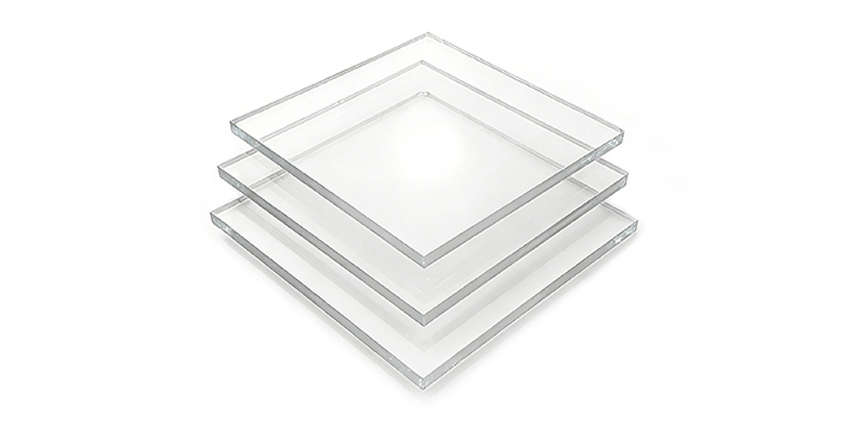
PETG is another transparent and lightweight material that also offers excellent impact resistance. Available in various thicknesses, it has superb thermoforming capabilities and is an effective barrier against solvents, gases, and alcohol. PETG is commonly used in retail for packaging, trays, and displays.
Acrylonitrile Styrene Butadiene (ABS)
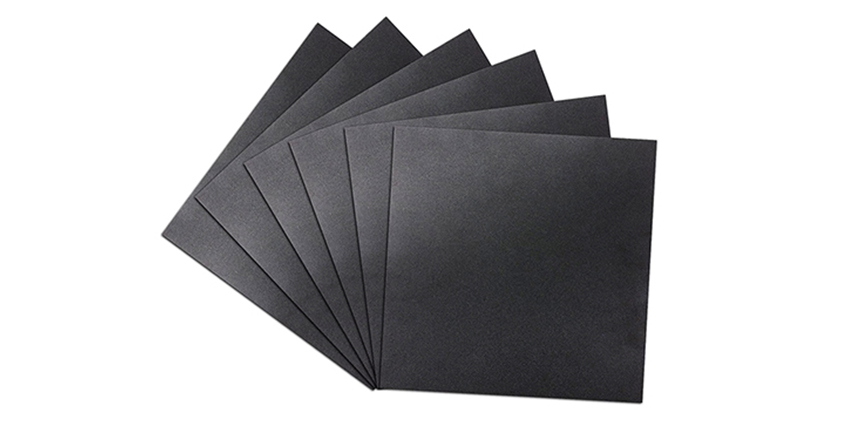
ABS is a strong and durable thermoplastic valued for its excellent impact resistance and resistance to UV exposure and chemicals. It combines rigidity with good workability and is available in a wide variety of colors and surface finishes. With its reliable performance and cost efficiency, ABS is widely used in heavy-duty applications across industries including construction, automotive, and engineering.
At the BlissPak, we can guide you through the different material options and recommend the most suitable choice for your budget and the specific performance needs of your project.
If you would like to discuss material types for a plastic vacuum forming job, please don’t hesitate to get in touch.
- Disposable sushi tray with lid wholesale
- Custom Disposable Plastic Cups with Logo
- Is blister packaging cheap?
- How to Make Your Own Blister Packaging?
- Advantages of Wine Vacuum Trays
- Custom Packaging Solutions for Precious Metal
- Why choose BlissPak for vacuum forming services?
- What Are The Five Modern Packaging Materials
- Why Bamboo Food Containers Are Better Than Plastic
- The Benefits of Bamboo Fiber Material Food Packaging